You Already Speak Cipher: Seven Routines Where Americans Transmit More Than They Realize
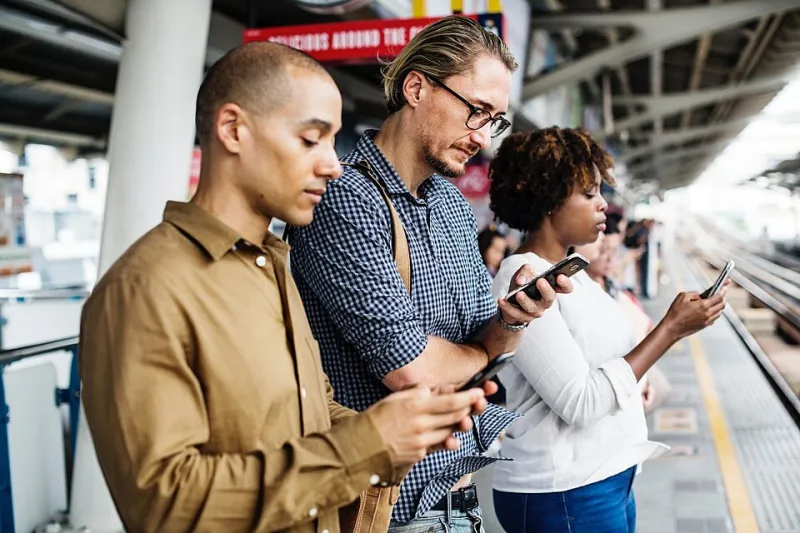
Photo: Rawpixel.com, CC0, via Wikimedia Commons
Cryptography sounds like a specialist's subject—key exchanges, ciphertext, mathematicians in windowless rooms. But the average American executes more cryptographic rituals before lunch than most people perform in a month of deliberate practice. The rituals are so routine they have become invisible, which is precisely what makes them worth decoding. Below are seven of them, each one a small negotiation between you and a machine that is deciding, continuously, whether to believe you.
1. The Six-Digit Text Code
When a one-time passcode arrives by SMS, you are completing something cryptographers call a possession factor: proof that you control a specific channel, not merely that you know a secret. What is less obvious is the paper trail. Each code request is logged with your IP address, device fingerprint, and timing data—metadata that persists long after the code expires and that has been used in everything from fraud investigations to civil litigation.
2. The CAPTCHA Mosaic
Selecting every square containing a traffic light feels like a trivia quiz. It is actually a behavioral exam. The system measures mouse trajectories, click cadence, and hesitation patterns to distinguish human motor randomness from bot precision. The image-selection step is partly theater; the verdict is usually reached before you touch the first square. Google's reCAPTCHA lineage famously used those clicks for secondary purposes as well, including training data for computer vision systems.
3. The Self-Checkout Beep
Every barcode scanned at a Kroger or Walmart self-checkout is a compact verification event. The UPC does not just name the product; its check digit—a value computed from the other digits—lets the scanner confirm the number was read correctly before trusting it. That beep is a checksum passing. Meanwhile, the scan timestamp, item sequence, and basket rhythm feed loss-prevention models that quietly compare your behavior against statistical profiles of shoplifters.
4. The Emoji Shorthand
A thumbs-up in a group chat is not merely a reaction. On platforms that index reactions, each emoji is a structured data point—timestamped, attributable, and machine-readable. Employers have used reaction patterns in workplace disputes; marketers aggregate them as sentiment signals. The symbol feels casual. The record is not.
5. The Tap-to-Pay Chirp
When your phone touches a terminal, it does not hand over your card number. Tokenization replaces it with a single-use cryptogram bound to that specific transaction. The terminal and the payment network then perform a rapid handshake—verifying the token, the device, and the cryptographic counter inside it. You hear nothing, but a full key ceremony just concluded in under half a second.
6. The Cookie Banner Click
That "Accept All" button is a legal instrument wearing a costume. The click is logged with a consent string—a standardized, machine-readable record of what you permitted, encoded per the IAB's Transparency and Consent Framework. That string travels with your data across the advertising supply chain, binding you to permissions you granted in roughly two seconds.
7. The Package Pickup Barcode
The QR code at an Amazon Locker or UPS Access Point encodes more than a pickup location. It ties your identity to a timestamp, a camera position, and a chain-of-custody record. Retrieving a package is, functionally, a signed statement: this person, this place, this minute.
Fluency Without Awareness
None of this is inherently sinister—much of it protects you from theft and fraud. But fluency matters. These rituals establish identity, consent, and accountability, and their records outlast the moments that created them. You were already speaking in code. The only question is whether you know what you said.